Physical Address
304 North Cardinal St.
Dorchester Center, MA 02124
Physical Address
304 North Cardinal St.
Dorchester Center, MA 02124

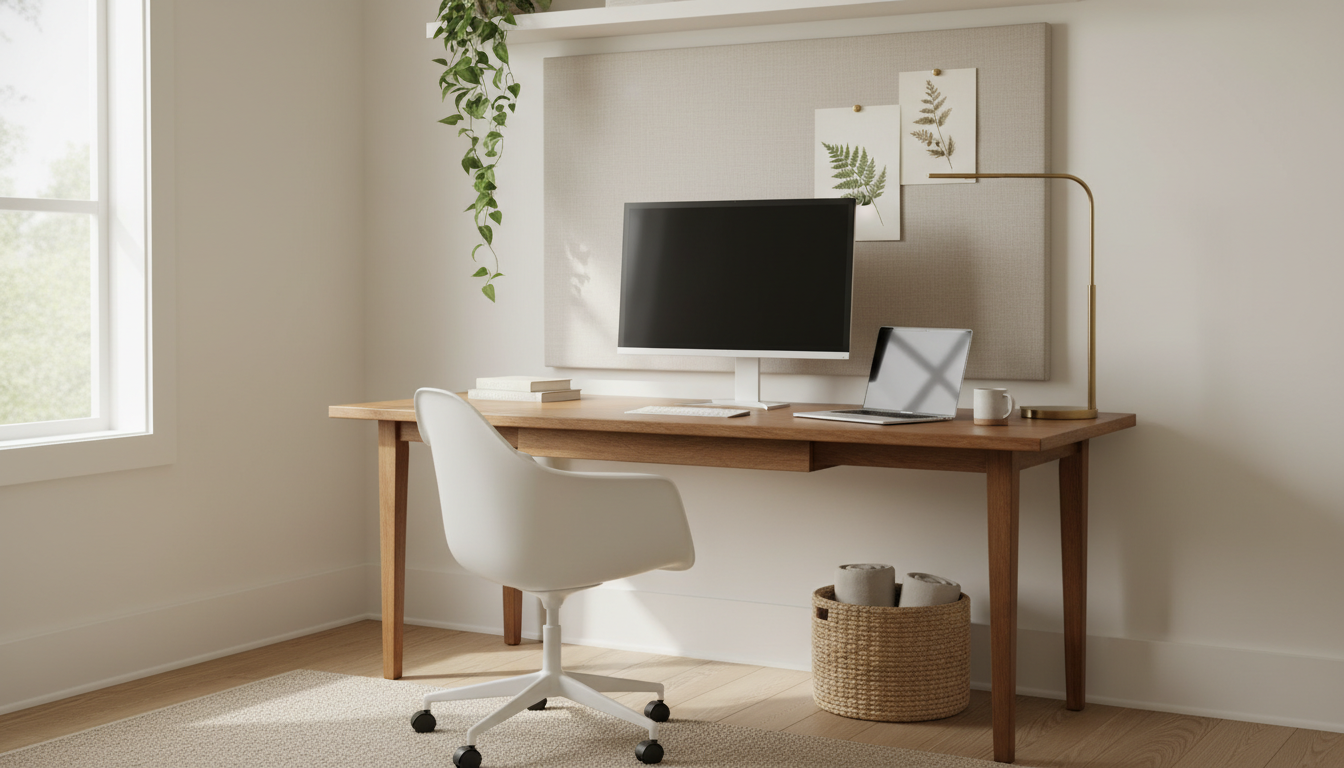
Craving a calm, cozy place to create? Discover home office ideas that blend warmth with focus—perfect for a small office setup or a minimalist home office. Build an ergonomic workspace with a standing desk, ergonomic office chair, and monitor riser, and set the mood with a soft-glow desk lamp. Smart desk organization and cable management keep surfaces serene, so your mind can breathe. From textures and plants to light, neutral palettes, these tips turn any corner into a sanctuary for work and wellness. Ready to design a space you love, and that loves you back?
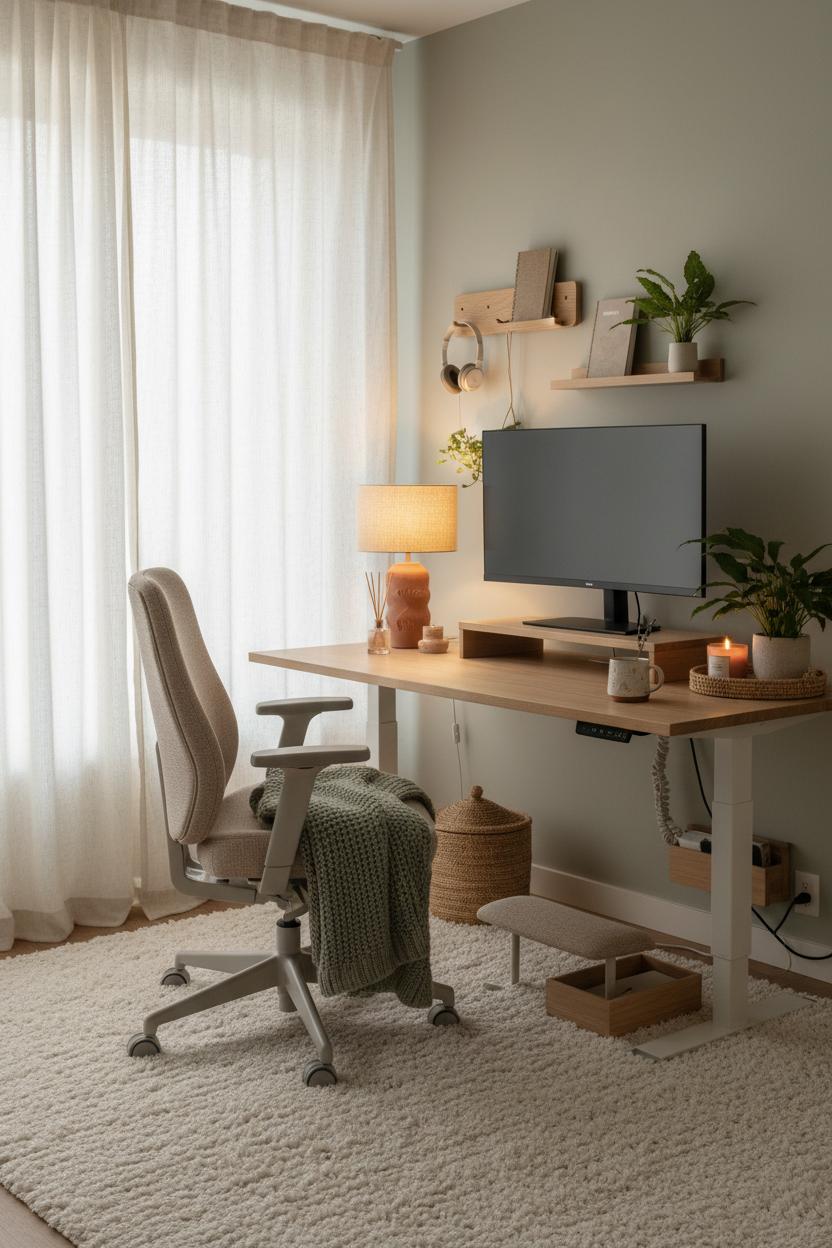
Think of mood-setting as the quiet foundation of your workday. Start with a soft, neutral palette—oatmeal, warm white, sage, maybe a whisper of terracotta—and layer in tactile comforts that invite you to exhale. A plush rug underfoot, a knit throw on your chair, and a few leafy plants instantly cozy things up. Lighting is everything: a warm, dimmable desk lamp with a linen or frosted shade diffuses harsh edges and keeps screens from feeling stark. If you’re by a window, filter light with airy curtains to soften glare and create that dreamy, Pinterest-worthy glow. A ceramic candle or subtle diffuser grounds the space; think gentle notes like cedar, bergamot, or lavender that cue your brain it’s time to focus.
Comfort should be beautiful and practical. For an ergonomic workspace, consider a standing desk to build in movement without breaking your flow; if you’re not ready to commit, a slim monitor riser lifts your screen to eye level and frees surface area for desk organization. An ergonomic office chair with lumbar support keeps you upright and relaxed, while a low-profile footrest and cushy rug add instant ease. In a small office setup, go vertical: float a narrow shelf for frequently reached items, use a peg rail for headphones and cables, and tuck a lidded basket under the desk for bulkier bits. Keep tech serene with simple cable management—discreet clips, a fabric sleeve, and a small box mounted under the desk hide the tangle and protect that clean, cozy vibe.
Aim for a minimalist home office feel without losing personality. Keep your color story tight, cluster essentials on a tray, and let one or two cherished pieces shine—a framed print, a vintage mug, a tiny vase with a single stem. Create rituals that set the mood: morning light on, diffuser on, playlist low; midday stretch or stand; afternoon tidy. Five-minute desk organization at day’s end—stack notebooks, corral pens, coil chargers—signals a gentle “work is done” and makes tomorrow inviting. When your space looks calm, it feels calm, and that calm quietly supports your best work.
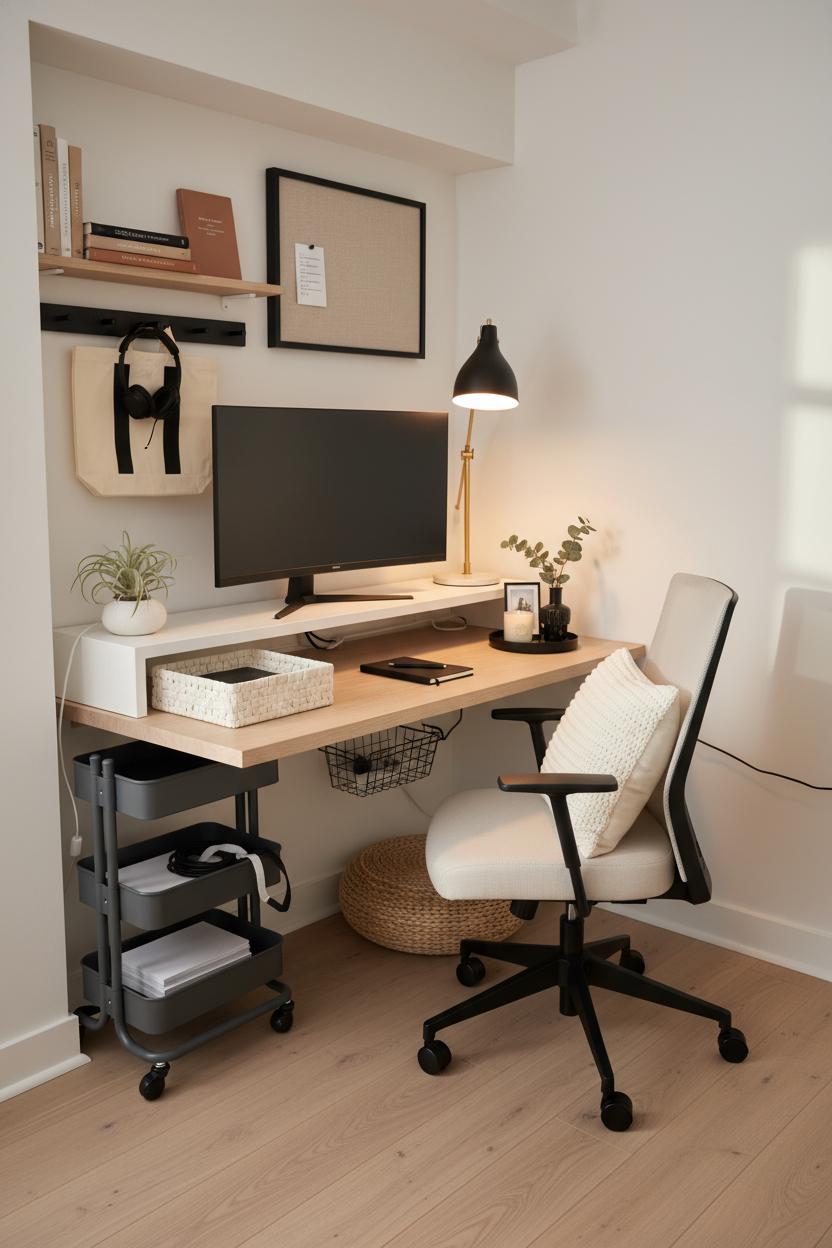
When you’re working with a nook instead of a spare room, the secret is to make every inch feel intentional and soothing. Think slim and airy: a narrow wall-mounted desk or a compact standing desk keeps the floor open, while a simple monitor riser lifts your screen to eye level and frees space beneath for a notebook or a woven tray. Choose one beautiful anchor piece—maybe a petite wood surface paired with an ergonomic office chair that supports your back—and let everything else stay light and simple for that minimalist home office vibe. Layer in a soft cushion, a tiny plant, and a warm, focused desk lamp to create a calm glow on cloudy mornings. Corral visual clutter by choosing a single color story—creamy whites, soft clay, inky black accents—and repeat it in your bins, frames, and textiles so the whole scene looks collected, not crowded. These home office ideas aim to turn a sliver of space into an ergonomic workspace you’ll actually want to sit down in.
Desk organization is your best friend in a small office setup. Use vertical space like a stylist: a slim shelf for a few favorite books, a linen pinboard for to-dos, and a peg rail for headphones and a tote. Tuck a rolling cart under the desk for paper and tech, and hide cords with thoughtful cable management—adhesive raceways along the leg of the desk, a small under-surface basket for the power strip, and a handful of Velcro ties to keep chargers neat. Keep daily tools on a single tray so you can clear the surface in seconds, then add a footrest and place your keyboard at elbow height to keep your body happy. If you like to switch positions, a small riser or a convertible surface gives you standing breaks without overwhelming the room. Finish with something cozy and personal: a favorite candle, a framed snapshot, and a tiny vase of greenery. With a few smart swaps—a supportive chair, a tidy cable plan, and gentle lighting—your little corner becomes a polished, efficient retreat that feels beautiful from Monday status to Friday wrap-up.
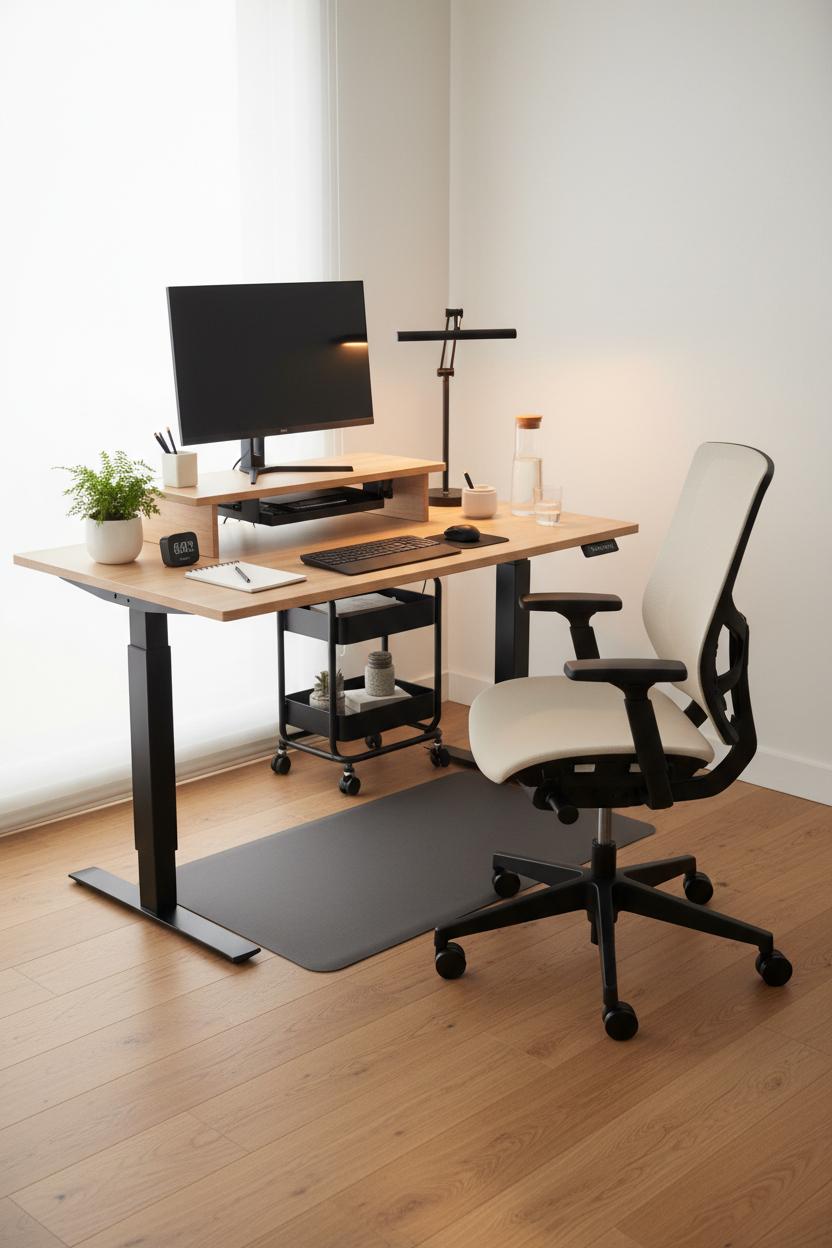
Start by building your ergonomic workspace around two heroes: a height-adjustable standing desk and an ergonomic office chair that actually fits your body. A standing desk invites movement into your day—float between sitting and standing to keep energy steady and shoulders relaxed. When your elbows rest at a 90-degree angle and your wrists stay neutral, you know you’re in the sweet spot; add a cushy anti-fatigue mat if you’re on your feet often. Pair it with an ergonomic office chair that offers breathable support, adjustable lumbar, and armrests that meet your elbows (not the other way around). Look for a seat that lets your knees bend comfortably at 90 degrees, with a slight recline for long reading sessions. In a small office setup, consider a compact desktop and slim frame to preserve floor space, then lean into a minimalist home office palette—soft woods, creamy textiles, and matte black accents—to keep the look calm and cohesive without sacrificing function.
Once the foundation is set, elevate comfort with thoughtful desk organization that streamlines your day. Tuck cords into a cable management tray so the surface stays serene, and lift your screen to eye level with a simple monitor riser to reduce neck strain. A warm, dimmable desk lamp pools light over your keyboard for cozy late-afternoon focus, while a pen cup, a small notepad, and a lidded dish for clips keep everyday tools within reach. If drawers are scarce, a narrow under-desk shelf or rolling cart corrals extras without visual clutter. Plant a small fern beside your monitor, keep a carafe of water close, and set a gentle timer to switch positions every hour. These easy, tactile home office ideas turn intention into habit, so your space feels as restorative as it is productive—clean lines, comfortable posture, and everything you need right where it belongs.
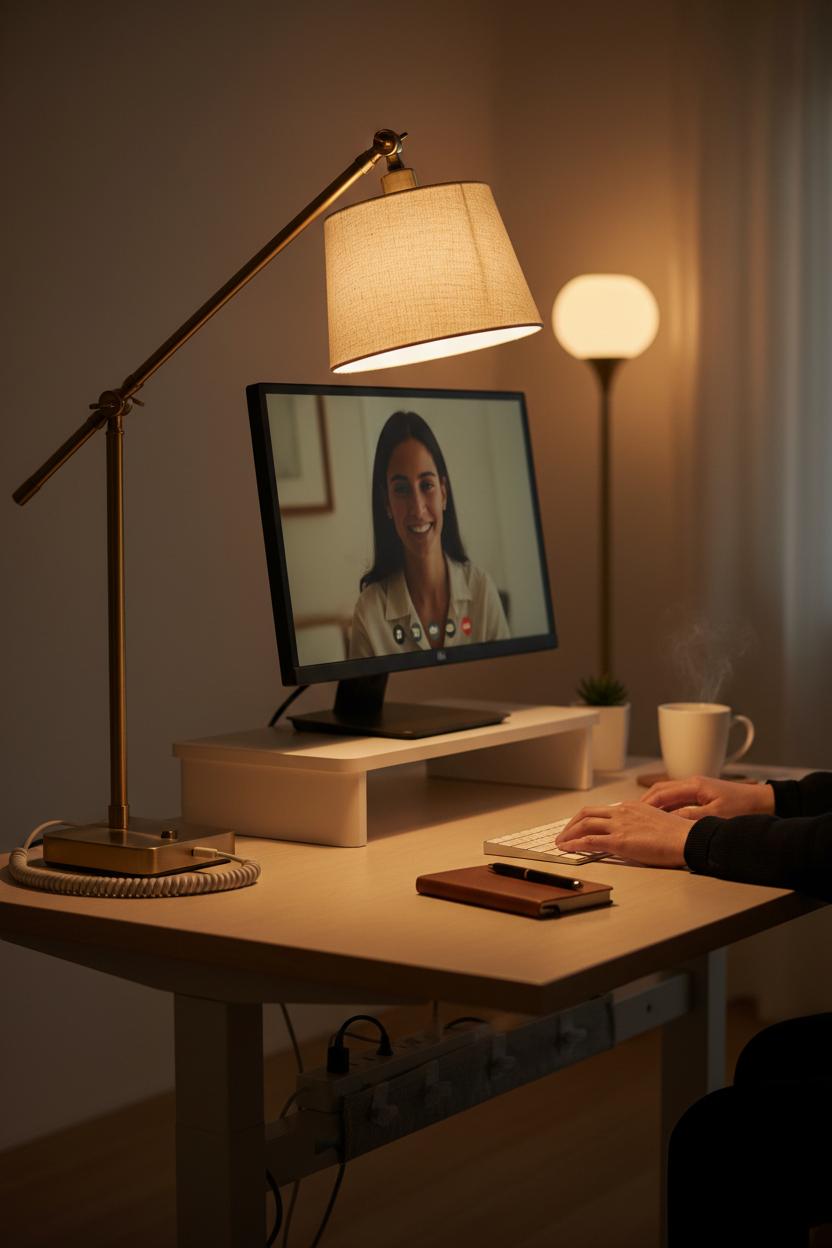
Think of your desk lamp as the golden-hour filter for your workspace—the difference between harsh overhead glare and a soft, soothing glow that makes you want to linger. For a cozy vibe that’s still practical, look for an LED desk lamp with a dimmer and warm color temperature around 2700–3000K; it flatters skin tones on video calls and helps your eyes relax after a long day. A shade that diffuses light—like opal glass or linen—spreads illumination evenly, while an adjustable arm lets you angle the beam away from your monitor to reduce reflections. Place the lamp slightly to the side of your dominant hand and aim it at a 30–45 degree angle to avoid shadows on your notebook or keyboard. If your screen sits on a monitor riser, you’ll get fewer shadows and can tuck the lamp head just below your sight line for a clean, ergonomic workspace. Aim for a gentle 400–800 lumens for task lighting, then dim down for late-night, candlelike ambiance. In a small office setup, consider a clamp-on or wall-mounted design that saves surface space without sacrificing glow.
Style matters, too. In a minimalist home office, choose simple lines—matte black, brushed brass, or soft white—and let texture do the talking. If you like a layered look, pair a warm desk lamp with a low-watt floor lamp across the room to balance brightness. Lamps with a USB base can streamline desk organization by giving your phone a tidy parking spot. Keep the calm with smart cable management: route cords under a standing desk with adhesive clips, coil excess length into a small sleeve, and use a single power strip to anchor everything. The goal is a desk that looks as serene as it feels—whether you’re perched on an ergonomic office chair for deep work or standing for a quick brainstorm. Among home office ideas that deliver maximum comfort for minimal effort, a thoughtfully chosen desk lamp ranks high: look for high-CRI LEDs for true-to-life colors, a pivoting head for precise tasks, and a footprint that leaves space for a notebook, your favorite mug, and a little breathing room.
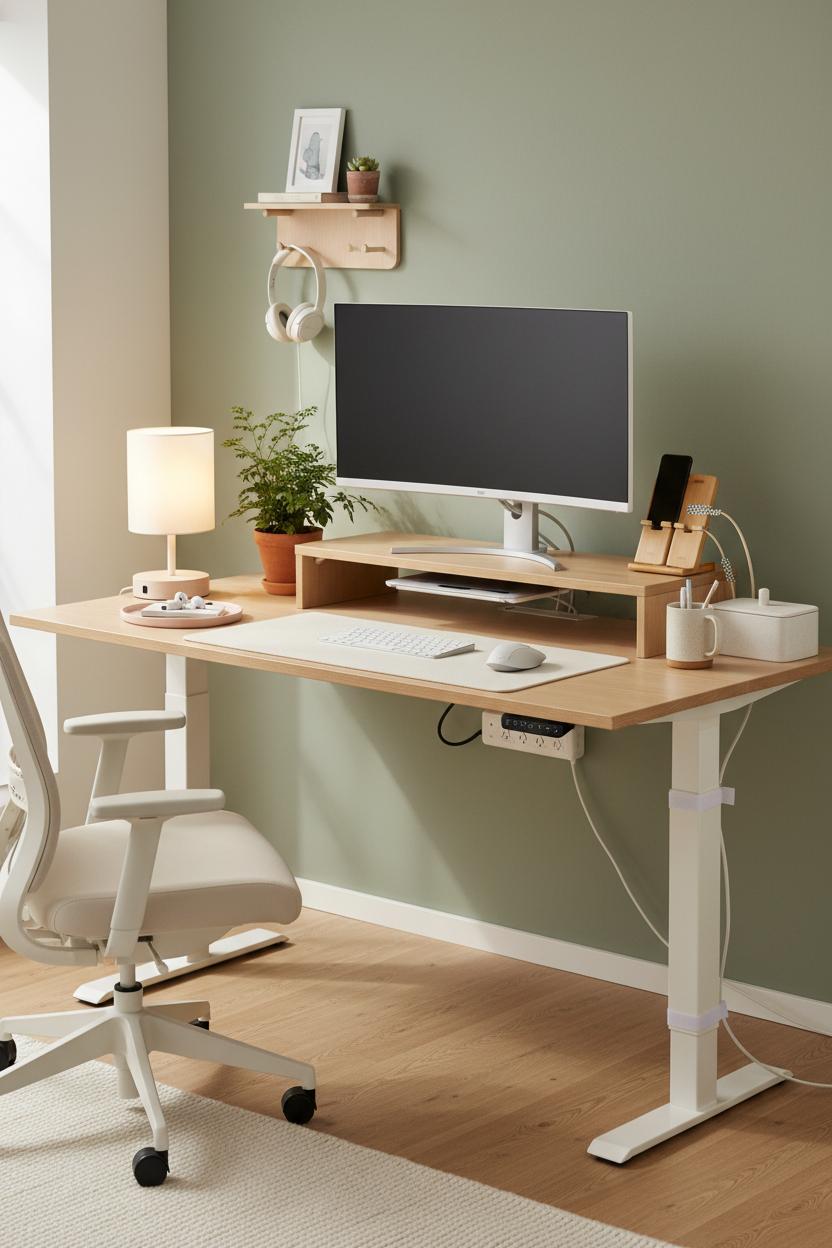
Nothing ruins a cozy vibe faster than a tangle of cords, so start by giving your tech a tidy home and let the surfaces breathe. For a small office setup, think of cable management as styling, not just hiding: an under‑desk tray keeps power strips off the floor, adhesive clips guide cords along the back edge, and a simple cable box gathers the rest into a neat little secret. If you have a standing desk, run cables through its grommets and down a leg using Velcro ties; label each plug with washi tape so swaps are painless. Mount the power strip underneath, then corral chargers into a slim pouch or a bamboo station so they don’t migrate. Choose cords in the same color as your desk or wall, or upgrade to braided versions—tiny details that make your home office ideas look intentional. A monitor riser is a double win: it lifts your screen for comfort and gives you a tucked‑away lane to route cables while stashing your notebook and trackpad beneath. Finish with a soft‑glow desk lamp (bonus points for USB ports) to trim extra chargers from the scene.
Once cords are calm, desk organization becomes delightfully simple. Keep only your everyday tools within reach and give everything a landing spot: a shallow tray for the “currently in use” bits, a slender file stand for active papers, and a lidded box for visual quiet. Stash extras vertically on a wall shelf or peg rail to free up precious surface area—small touches that make a minimalist home office feel serene instead of sparse. For an ergonomic workspace, pair that monitor riser with an ergonomic office chair and center your keyboard and mouse so shoulders stay relaxed; swap between sitting and standing to keep energy buoyant. Let the desktop tell a soft color story—matching containers, a textured mug as a pen cup, one leafy plant—and practice a two‑minute end‑of‑day reset so tomorrow’s you opens to calm. These gentle systems scale whether you’re styling a nook or a full room, and they quietly support focus: fewer visual decisions, fewer snags, more flow. When the cords disappear and essentials are edited, the whole space exhales—and so do you.
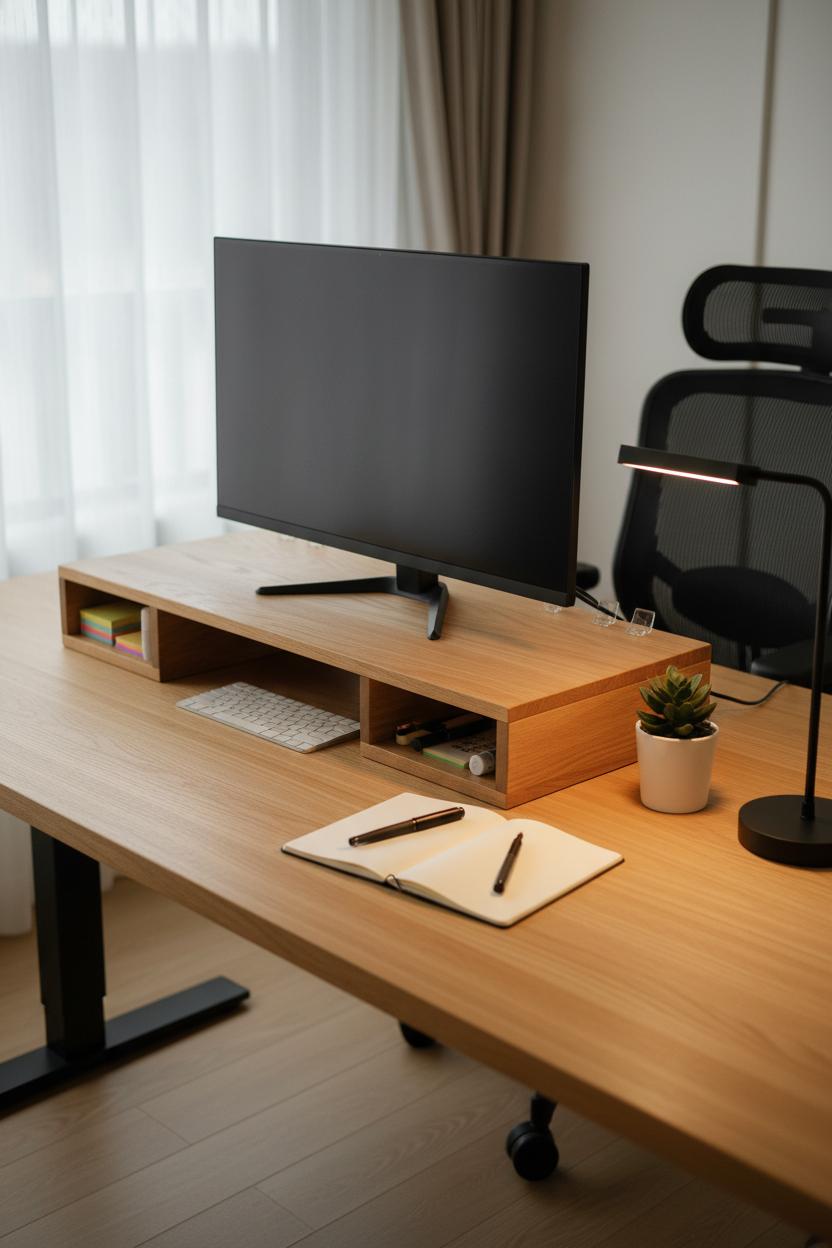
If your neck has been doing that subtle forward crane by 3 p.m., a simple monitor riser can feel like magic. Lifting your screen to eye level instantly cues better posture and frees up prime real estate on your desk. Try the quick test first: stack a few books until the top third of your screen hits eye height, then measure that stack to find your ideal riser. Once it’s in place, you can slide your keyboard and notebook underneath when you need a clean slate, which is especially dreamy in a small office setup where every inch counts. For extra desk organization, look for a riser with a slim drawer or an open shelf to corral sticky notes, pens, and that wandering lip balm. Add simple cable management clips along the back so cords disappear and your surface stays serene.
Styling is half the fun. A warm bamboo or oak riser adds cozy, organic texture; clear acrylic keeps things light and airy; matte black metal leans modern and anchors a minimalist home office. Balance the height with a petite plant and a low-profile desk lamp to cast a soft pool of light without cluttering your line of sight. If you’re using a standing desk, choose a lightweight riser with non-slip feet and pair it with an external keyboard so your wrists stay neutral whether you’re up or down. Prefer a laptop? A riser or slim laptop stand plus a wireless set makes a surprisingly ergonomic workspace without sacrificing that clean, minimalist look. Keep your screen about an arm’s length away and tilt it slightly so your chin stays relaxed and shoulders drop.
Round out the comfort with an ergonomic office chair that supports your hips and lower back, and let your riser do double duty as a visual “stage” that keeps your setup calm and intentional. Among easy home office ideas, this one gives an outsized payoff: better posture, more breathing room, and a surface that invites you to focus. Tidy cables, a raised screen, and a few curated essentials—suddenly your desk feels like a thoughtfully edited vignette rather than a catch-all, and your workday feels lighter because of it.
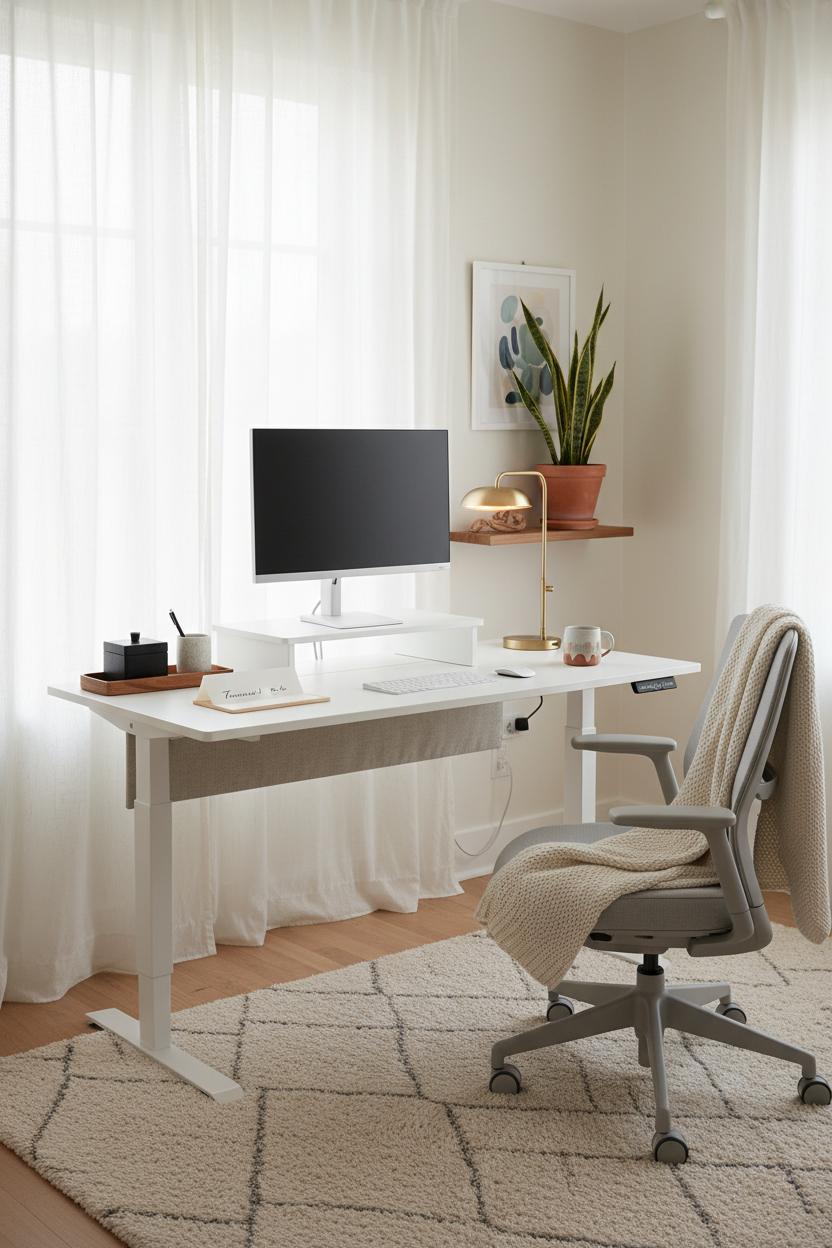
Picture a room that exhales. Start with a clean-lined desk in a soft wood tone or matte white and let everything else take a quiet step back. For a small office setup, tuck the workstation against a window or into a bright corner, leaving generous negative space around it so your eye can rest. A streamlined standing desk keeps the silhouette airy and lets you switch postures through the day; pair it with an ergonomic office chair that supports without shouting for attention. Keep tech elevated and tidy with a slim monitor riser so your neck stays long and your surface stays clear. A single leafy plant, a textured throw over the chair, and a neutral rug underfoot add warmth without clutter, turning an ergonomic workspace into a sanctuary you’ll actually want to sit in.
Light makes minimalism feel luxurious. Aim for soft, layered illumination: daylight by morning and a petite, sculptural desk lamp by evening, casting a warm glow instead of harsh glare. Thoughtful desk organization is your secret weapon—think one shallow tray for essentials, a lidded box for odds and ends, and a single pen cup rather than a lineup of containers. Keep visual noise low with closed storage and vertical solutions: a floating shelf for the book you’re reading, a slim file holder for active papers. Hide the tangle before it starts with simple cable management—adhesive clips to guide cords, a fabric sleeve or box to corral a power strip, and color-matched cables that visually disappear. In a minimalist home office, every object earns its spot; when in doubt, remove one thing and enjoy the calm that follows.
Make it personal, not busy. Choose one art print that sets the mood, a favorite mug, and a linen curtain that filters light like morning mist. End each day with a two-minute reset: clear the surface, close your tabs, and leave tomorrow’s to-do on a single notecard. Among all the home office ideas you’ll save, this approach is the quietest—and often the most productive. With a few smart pieces—a standing desk, ergonomic office chair, supportive monitor riser, gentle desk lamp, and discreet cable management—you create a beautifully simple space that supports your work and your well-being.
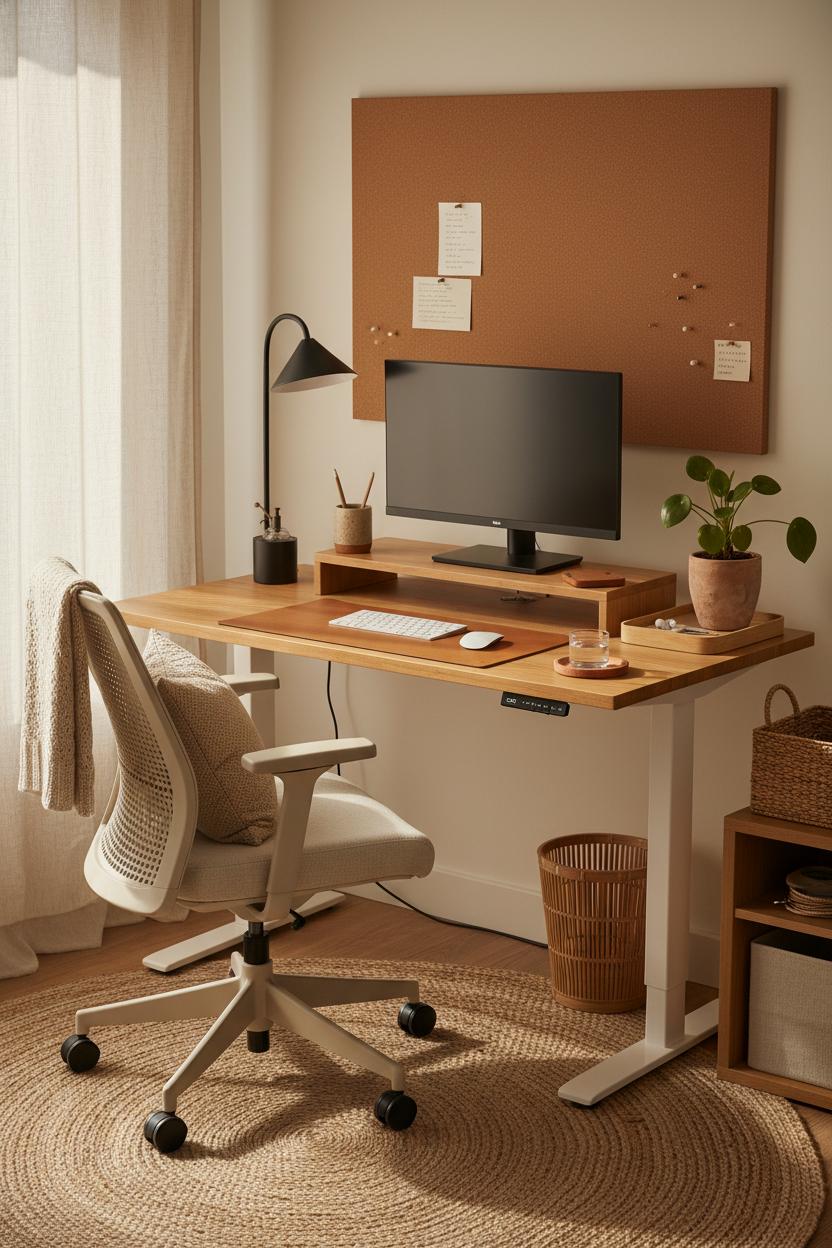
Nothing softens a workspace faster than warm textures and real materials you can see and feel. If you’re collecting home office ideas that invite calm, start with wood tones—honey oak, walnut, or bamboo—paired with nubby wool and breathable linen so every surface feels touchable. A simple slab desk with a light grain, a rattan wastebasket, a cork pinboard, and a stoneware cup for pens bring that earthy mix without visual noise, perfect for a minimalist home office where you want the eye to rest. In a small office setup, swap bulky decor for tactile layers: a jute rug to ground your feet, a linen curtain to diffuse glare, and a slim cane tray to corral daily essentials. Even a single leafy plant in a clay pot can shift the whole mood.
Comfort shouldn’t fight posture, so weave texture into an ergonomic workspace instead of piling on clutter. Try a standing desk with a bamboo top that stays warm under your palms, paired with an ergonomic office chair in a softly textured fabric or a breathable woven back, plus a wool lumbar pillow that actually supports long work sessions. A solid-wood monitor riser lifts your screen to eye level while opening space beneath for notebooks and a keyboard, and a matte metal desk lamp with a warm bulb makes evening tasks feel cocooned rather than clinical. Terracotta or travertine coasters, a leather mouse pad, and a cork desk mat add quiet, cushioned contact points that make everyday clicks and scribbles sound softer.
To keep the look serene, prioritize desk organization with natural containers so everything has a home. Woven seagrass baskets swallow chargers and hard drives, a cork or wood valet dish catches keys and earbuds, and linen-covered boxes hide papers without looking heavy. For cable management, reach for braided cords and low-profile leather wraps that blend into the palette, letting the beautiful surfaces stay front and center. Round it out with a plant mister, a scented cedar block in a drawer, and a cozy knit throw on the chair back, and you’ve created a space that feels both styled and lived-in—the kind of corner that quietly supports focus and comfort day after day.
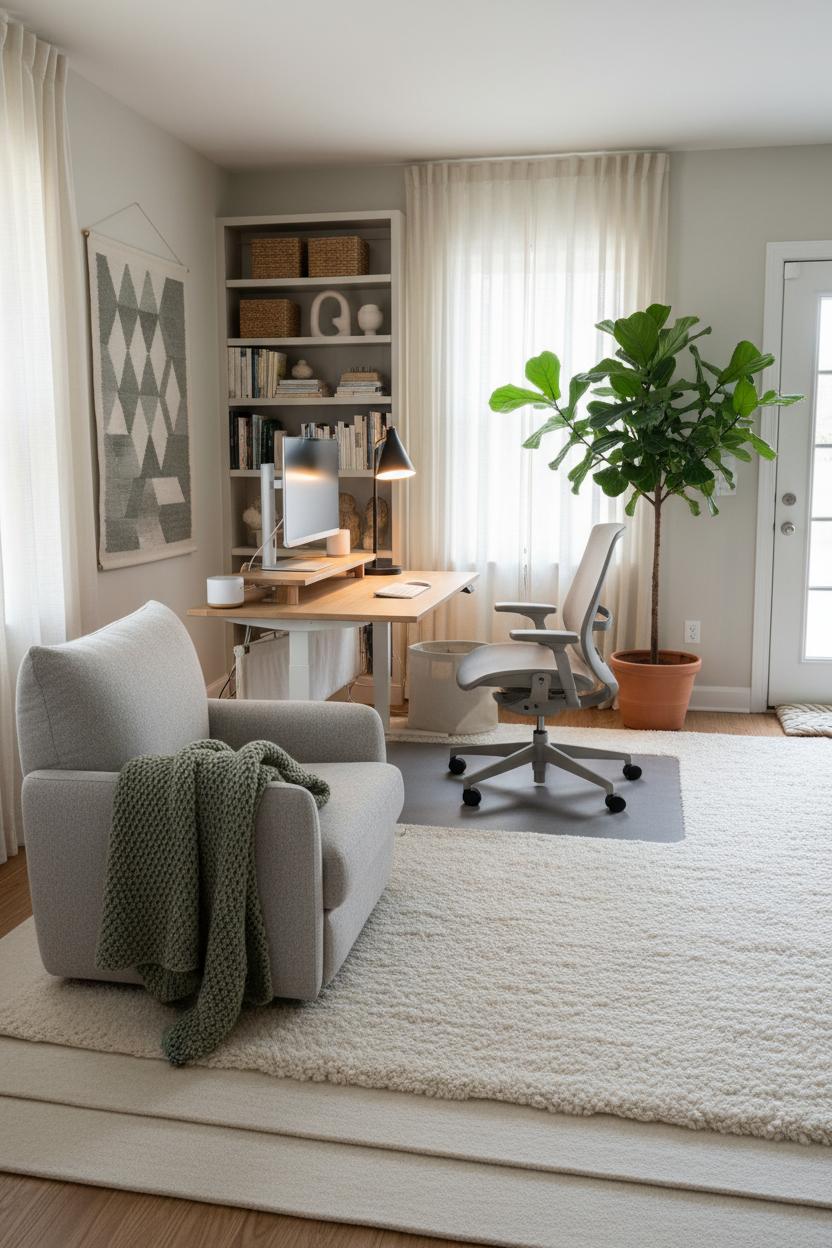
When you want your space to hush, think softness first. The easiest way to quiet a room is to layer in sound-soaking textures: a plush area rug with a thick felt pad, floor-to-ceiling curtains in linen or velvet, and a cozy throw draped over your chair instantly swallow the little echoes that tug at your focus. Even a fabric wall hanging, cork board, or oversized pinboard acts like an acoustic panel in disguise, and they’re pretty enough to leave out all day. If you lean toward a minimalist home office, keep the palette calm—creamy neutrals, soft grays, mossy greens—and let the texture do the talking. The result is a cloudlike envelope around your thoughts, perfect for deep work.
Furniture placement can help too. A bookcase packed with your favorite reads and baskets is a surprisingly effective sound absorber, and tall plants (think rubber tree or fiddle leaf fig) diffuse noise while adding a breath of life. In a small office setup, nestle your standing desk onto that cushy rug to buffer footsteps and place your workstation away from hard, reflective walls. A monitor riser brings your screen to eye level so your ergonomic workspace feels natural, and a warm, focused desk lamp reduces the need for buzzier overhead lights. Keep visual and auditory clutter down with tidy cable management and simple desk organization—cord sleeves, a tray for chargers, and a slim file box mean fewer distractions and less rattling around during the day.
Don’t forget the “soft shield” at your room’s weak spots. Seal your door with weatherstripping and add a fabric draft stopper; hang denser curtains over windows; tuck a felt panel or cork tile under the desk to catch stray reverberations. If you share walls, a gallery of canvas art or a quilted wall piece adds a whisper-quiet layer without sacrificing style. Pair an ergonomic office chair with a cushioned mat to mute wheel noise, and keep a small fan or white-noise machine on low as a consistent backdrop. These home office ideas create a gentle cocoon that supports focus, whether you’re designing from scratch or tweaking an existing setup—soft, serene, and perfectly tailored to your calm, cozy routine.
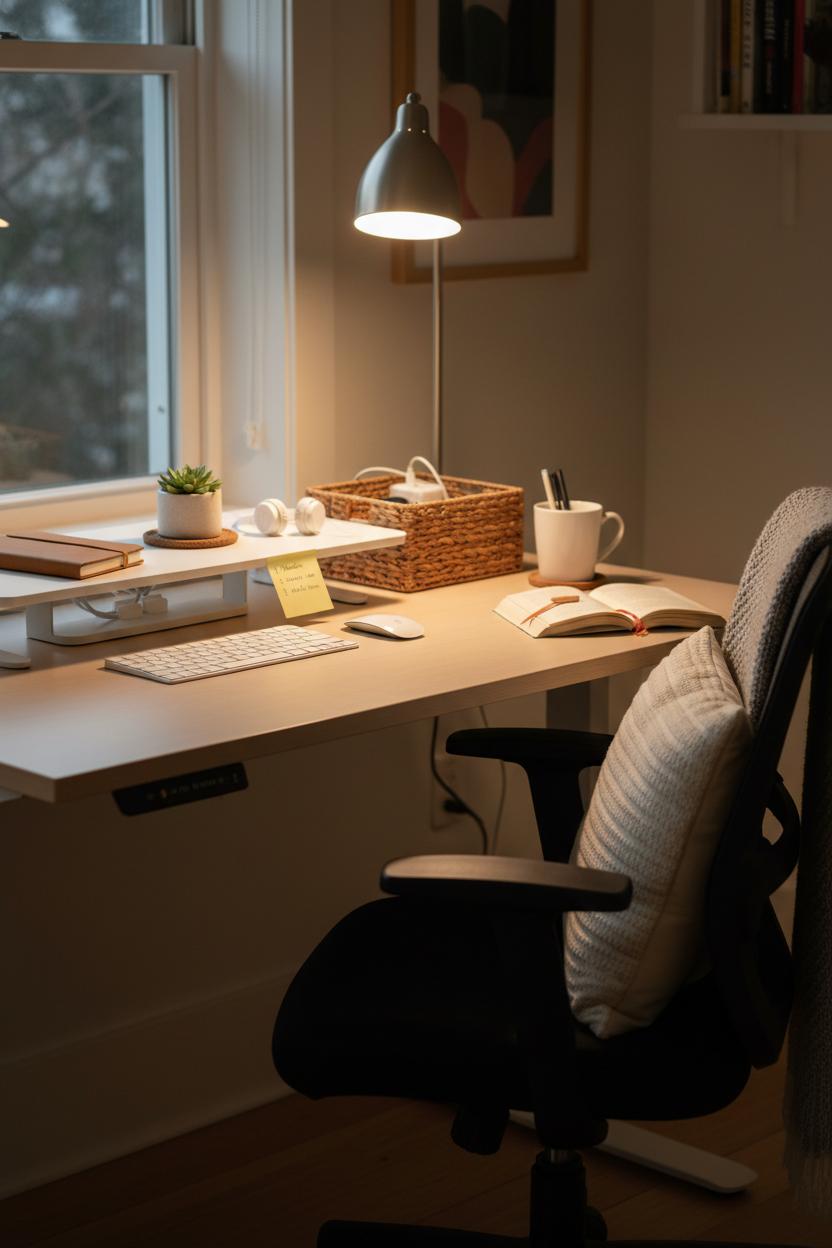
Think of your end-of-day tidy as a little exhale for your space. When you’re done working, lower the standing desk to its “resting” height, click off the desk lamp, and do a slow sweep from left to right. Corral cords into their homes with simple cable management clips, nest your charger bricks in a small basket, and tuck anything visual under a monitor riser so the surface looks clean and calm. Stack your notebook, slide your keyboard and mouse neatly under the riser, and give the desktop a quick spritz and wipe so it feels fresh for tomorrow. While you’re at it, reset your ergonomic workspace: scoot in your ergonomic office chair, check that the lumbar pillow and armrests are aligned, and pull the chair in so everything looks orderly. These tiny motions add up to a soothing ritual—and they’re the kind of home office ideas that make even a small office setup feel elevated and considered.
Prepare a soft landing for the next morning, too. Jot three gentle priorities on a sticky note and place it where you’ll see it first thing, then put away the rest—pens in a cup, papers in a single tray, receipts out of sight. Limit your desktop to one pretty object (a candle, a plant, a stone) for a minimalist home office moment that signals “work is done.” Coil your headphones, place your water glass on a coaster, and drape a cozy throw over the back of the chair so the scene reads serene. If your schedule changes, leave yourself a tiny reward—a favorite tea bag or a fresh page flagged—so tomorrow’s you is greeted by calm. Over time, this five-minute desk organization reset becomes muscle memory: screens dimmed, cables tamed, surfaces cleared, posture tuned, and the room quietly closing up for the night. It’s an easy, ritualized way to protect your focus and create a welcoming start—no digging for cords, no visual clutter—just a tidy, ready workspace that feels like a deep breath each morning.
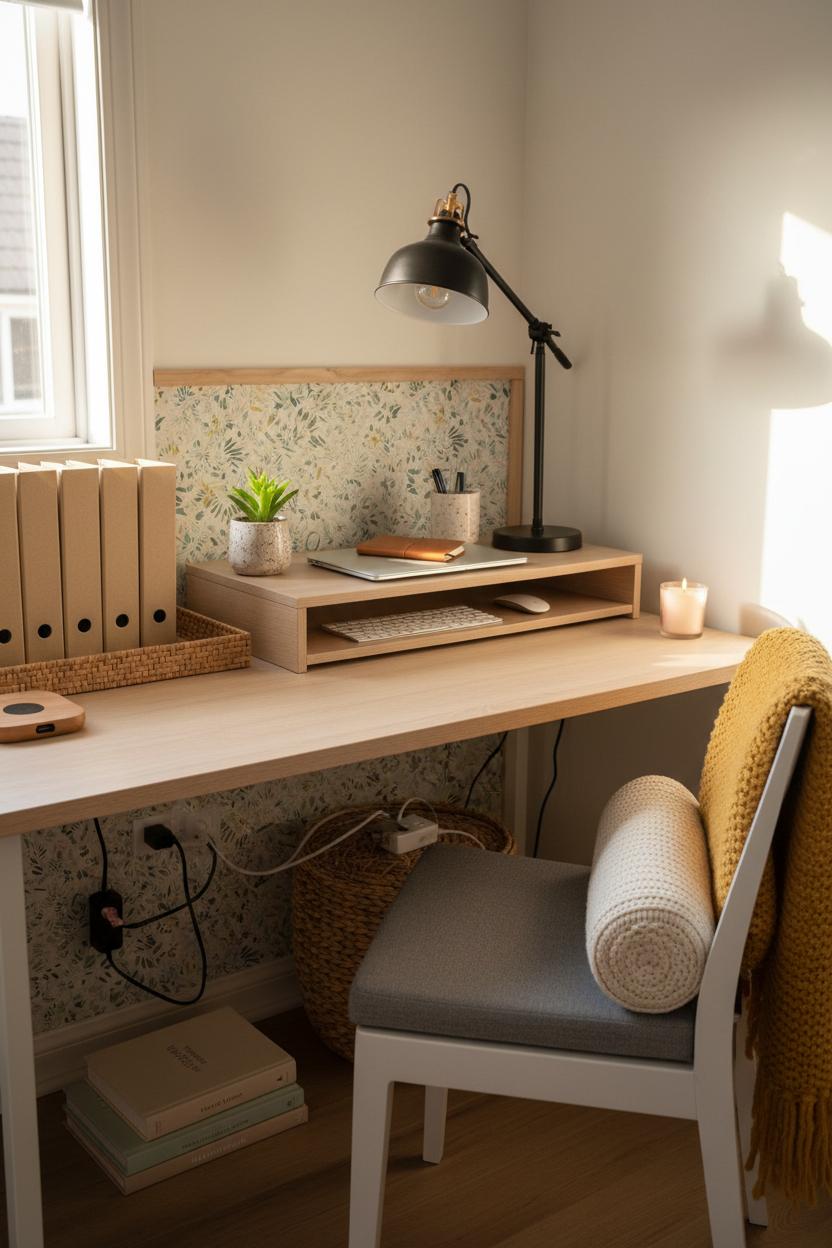
When you’re working with a tight budget and an even tighter corner of the house, think upgrades that deliver calm, comfort, and a little glow. Start with lighting: a simple, adjustable desk lamp with a warm bulb instantly makes a small office setup feel cozier and more focused, especially on gloomy afternoons. A petite plant, a pretty ceramic cup for pens, and a soft throw over your chair can layer in texture without crowding the space. If your desk tends to collect papers, slide in a shallow tray and a few vertical file folders—instant desk organization that looks intentional. A monitor riser is another tiny hero; it lifts your screen to eye level for better posture and creates a hidden nook to tuck your keyboard and notebook when you’re done, which is perfect for a minimalist home office that needs to reset quickly between work and life. Peel-and-stick wallpaper on the back of a shelf or a framed fabric remnant can add personality for pennies, keeping your palette quiet and cohesive so the whole nook feels serene.
Comfort doesn’t have to be expensive to feel luxurious. If an ergonomic office chair isn’t in the cards, try a supportive seat cushion and a small lumbar pillow; even a rolled towel can encourage better alignment. A tidy, ergonomic workspace can also come from simple swaps: stack a couple of pretty books as a footrest, or use an affordable laptop stand until you’re ready to invest in a full standing desk or a desktop converter. For cable management, think discreet and DIY—adhesive clips along the underside of your desk, a handful of Velcro ties, and a woven basket to hide the power strip keep cords out of sight and mind. Corral the rest with a slim drawer divider, and dedicate one corner to recharge your phone and headphones so every item has a home. These home office ideas focus on fewer, better choices, so your space works harder without feeling cluttered. Light a candle, clear the surface at the end of the day, and enjoy how a handful of thoughtful upgrades can transform your little workstation into a calm, cozy retreat you look forward to using.
From soft lighting to breathable textures, these home office ideas prove calm is a choice you can design. Start with a small office setup: a quiet corner, a comfy chair, and an ergonomic workspace that supports your body. Keep serenity with simple desk organization—trays, cable clips, and a daily reset. Embrace a minimalist home office; let negative space help you think and breathe. Add a plant, a warm mug, and your favorite playlist. Cozy productivity begins where intention meets comfort—your workday sanctuary, one considered detail at a time.